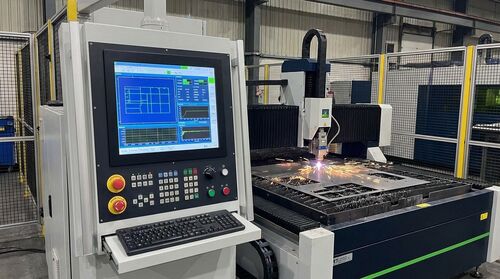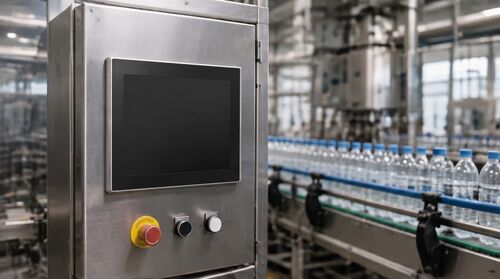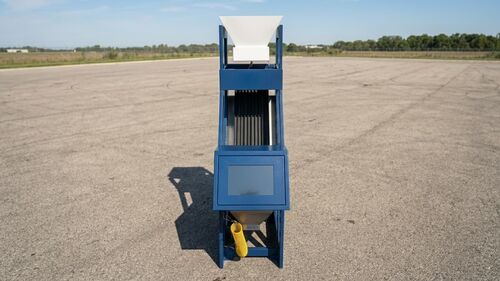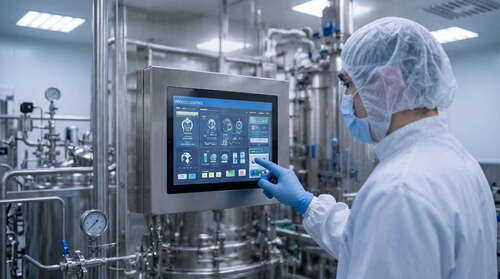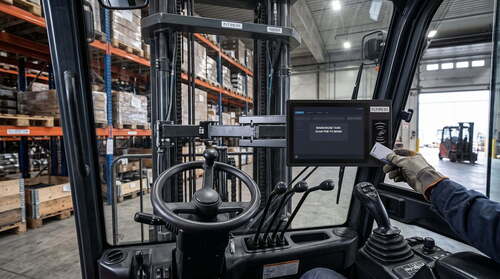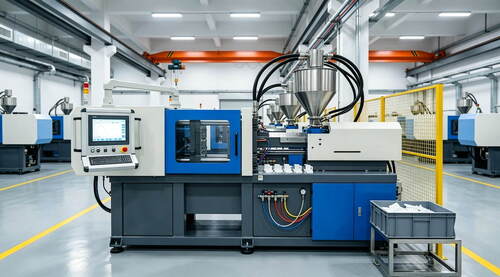
1. Distributed Industrial Operations and Data Processing Challenges Modern industrial networks are increasingly distributed across multiple sites, assets, and field environments. As these operations scale, they generate massive volumes of telemetry and application data that must be processed quickly ...
Running a chartplotter, sonar unit, and navigation feed from a single screen is a compromise most serious operators accept by default. The data is there, but dividing attention across one panel introduces delays in reading and responding. Expanding a helm setup to include a dedicated Garmin mirror ...
EV charging equipment operates unattended in open environments, facing direct sunlight, rain, dust, and temperature swings that can exceed 50°C between seasons. The display interface is the primary point of contact between the system and the user, handling everything from user authentication and ...
Few industrial environments test computing hardware as relentlessly as active mining operations. Extraction sites generate persistent silica dust, sustained mechanical vibration from crushing and screening plant, wide thermal variation across shifts and seasons, and routine high-pressure washdown ...
Automated transport vehicles have become essential infrastructure in various farming settings including large-scale orchards, vineyards, and row-crop operations used for managing harvested produce transfer, supply delivery, and intra-farm logistics with minimal manual input. As these agricultural ...
In outdoor food-ordering scenarios, the touch display is the transaction. Every order placed, every upsell accepted, every payment confirmed runs through that panel. Any unexpected screen malfunction will directly suspend onsite ordering services and hinder normal business turnover. Consumer-grade ...
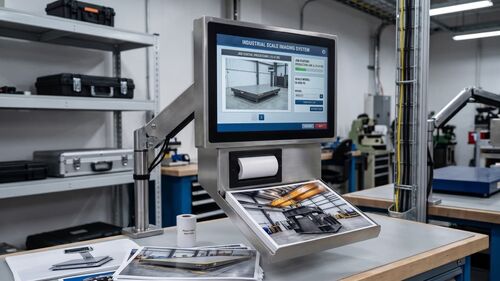
Speed, accuracy, and continuity are non-negotiable for modern industrial and logistics operations. To eliminate the throughput bottleneck of manual logging, high-performance logistics hubs now view sophisticated volumetric data capture as a fundamental necessity. By integrating high-fidelity ...
In the fast-paced world of food manufacturing, every second of downtime translates directly to lost revenue and missed production targets. High-volume processing facilities operate around the clock, moving delicate produce and perishable goods through continuous lines at breakneck speeds, while ...
Offshore racing subjects onboard electronics to some of the harshest operating conditions in the maritime industry: sustained saltwater exposure, continuous mechanical vibration, extreme brightness variation, and operators working under physical stress. In this environment, marine displays have ...